

 Facebook
 X
 Pinterest
 Copy Link
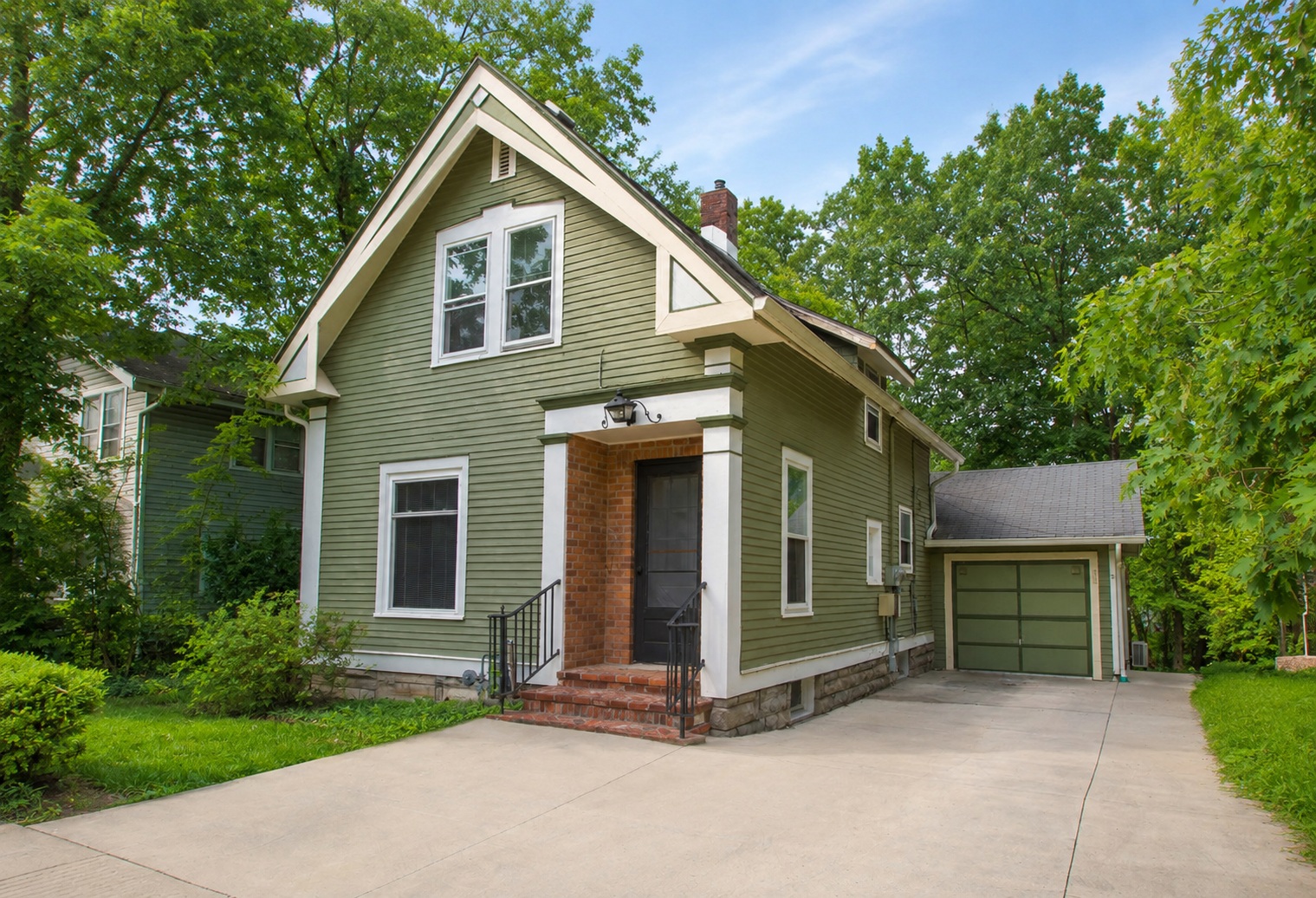
526 S. Woodlawn Avenue, a Bloomington investment property near Indiana University.
Bloomington, Indiana real estate investing can create income and long-term value. It can also create costly problems when a buyer relies on high rent estimates, ignores repairs, or assumes a property’s current use is legal.
A good investment should work on paper before you buy it. The numbers should include vacancy, management, repairs, large future costs, and debt. The deal should not need perfect rent, no repairs, and constant growth to succeed.
This guide explains how to review a Bloomington investment property. It covers rentals near Indiana University, duplexes, small multifamily buildings, single-family rentals, value-add homes, and mixed residential investments.
The goal is simple: know what you are buying, what it may earn, what it may cost, and how you may get out of the deal later.
1. Choose an Investment Plan Before You Search
Start with the result you want. Do not start with a random listing.
Ask yourself:
- Do you want monthly cash flow?
- Are you willing to improve a property?
- Do you want long-term growth?
- Will you manage the property yourself?
- Do you want a short-term or long-term hold?
- How much cash can you invest and still keep in reserve?
- How much risk can you accept?
- Do you want one unit, several units, or a property with future potential?
Your plan will shape the property type, price, location, loan, and amount of work you should accept.
A buyer who wants simple income may prefer a stable property with a current lease. A buyer with construction skill may accept a property that needs work. A buyer who wants to live in one unit may consider a duplex or small multifamily property.
Write the plan down. Set clear limits for price, cash needed, repairs, monthly cash flow, and time. This will help you reject a weak deal before emotion takes over.
2. Understand the Main Bloomington Investment Types
Bloomington and Monroe County offer several types of investment property. Each has a different income pattern and risk level.
Single-family rentals
A single-family rental may be easier to understand and finance. It may also depend on one tenant. When the home is empty, all rent stops.
Review the home as both a rental and a future resale. Layout, parking, condition, yard care, and location can affect both uses.
Duplexes and small multifamily properties
A duplex, triplex, or four-unit property can spread vacancy across several units. One empty unit does not always stop all income.
These properties can also have more systems, tenants, parking needs, utility issues, and repair costs. Confirm the legal number of units before you value the property as a multifamily investment.
Student rentals near Indiana University
Student rentals may use a lease cycle tied to the IU school year. Rent may be based on the whole unit or on the number of legal bedrooms.
The purchase price can be high near campus. Turnover, cleaning, leasing, parking, and wear may also cost more. Do not assume a property is a strong investment just because it is near IU.
Condos and townhomes
Condos may reduce some exterior work. Yet the association controls many costs and rules.
Review rental limits, dues, reserves, insurance, meeting notes, pending repairs, and possible special charges. A low HOA fee can be a warning if the association is not saving enough for future work.
Value-add properties
A value-add property needs work that may raise rent, improve use, cut costs, or support a higher future value.
The plan must be legal and realistic. New paint is simple. Adding a bedroom, unit, parking area, or separate entrance may require zoning, permits, design work, and added utility service.
Mixed-use and commercial investments
Mixed-use property may combine apartments with office, retail, or other business space. These deals require a deeper review of leases, zoning, building systems, insurance, and tenant improvements.
Use a commercial analysis when the property’s income or use goes beyond a standard residential rental.
3. Compare Bloomington Locations by Tenant Demand
Location affects rent, vacancy, tenant type, maintenance, and resale. It does not make a weak deal good on its own.
Different parts of the Bloomington market may attract different renters:
- Properties near IU may attract students, faculty, staff, or campus visitors.
- Downtown units may appeal to renters who value access to work, dining, events, and trails.
- Homes near major job sites or health care may serve workers who want a shorter trip.
- Suburban homes may attract tenants seeking more space, parking, or a yard.
- Rural homes may offer land and privacy but can have wells, septic systems, private roads, and longer travel times.
- Properties near I-69 may help tenants who commute outside Bloomington.
Do not use a broad area label as proof of rent. Compare the exact property with units that have a similar size, condition, parking plan, bedroom count, and location.
Visit the area at different times. Check traffic, road noise, lighting, parking, drainage, and nearby land uses. A property that is easy to show at noon may feel different at night or during an IU event.
4. Verify the Rent Instead of Trusting the Listing
The seller’s rent estimate is not proof of market rent. Ask for records.
Review:
- Current leases
- Rent ledgers
- Deposit records
- Payment history
- Lease start and end dates
- Renewal notices
- Utility bills
- Pet fees and other income
- Concessions or free rent
- Delinquent rent
Compare current rent with similar properties. Use units that match the legal bedroom count, condition, parking, location, and lease term.
Ask why a unit rents above or below nearby units. A low rent may create room for growth. It may also reflect poor condition, a weak layout, old finishes, limited parking, or a long-term tenant.
A high rent may include utilities, furniture, short lease terms, or services that add cost. Compare net income, not just the rent number.
5. Read Every Lease and Tenant Record
An investor often buys the leases with the property. Read each one before the due-diligence period ends.
Check:
- Tenant names
- Monthly rent
- Security deposit
- Lease dates
- Renewal terms
- Late fees
- Utility duties
- Lawn and snow duties
- Pet terms
- Parking rights
- Furniture or appliances included
- Maintenance duties
- Early end rights
- Any side agreement
Confirm that the rent ledger matches the leases and bank records. Review unpaid balances and open repair requests.
Make sure the seller transfers deposits, leases, keys, records, and tenant contact details at closing. The purchase agreement should state how rent and deposits will be handled.
Indiana law affects deposits, notices, access, repairs, and other landlord duties. Use a local attorney when you need legal advice or a lease review.
6. Confirm the Property’s Legal Use
Do not assume that a property is legal because it has been rented for years.
Confirm:
- Zoning district
- Allowed use
- Legal unit count
- Legal bedroom count
- Occupant limit
- Rental occupancy permit
- Permit expiration date
- Open violations
- Parking requirements
- Historic district limits
- Building permits for past work
- Legal access and utility service
Within the City of Bloomington, residential rental units generally must be registered and have a valid occupancy permit before they are occupied by a tenant. The permit can list the legal bedroom count, occupant load, expiration date, and any variance.
The City’s open-data rental permit list can help with research, but the City warns that inclusion only shows that an application was submitted. It should not be used by itself to prove that a rental permit is active. Confirm the current status with the City’s Housing and Neighborhood Development Department.
If the property is outside Bloomington city limits, find the rules and agency that apply to that address. A Bloomington mailing address does not always mean the property is inside the city.
7. Test Any Plan to Add Units or Bedrooms
Future value should be based on a plan you can complete, not on a guess.
Before paying for the idea of another unit or bedroom, confirm:
- Zoning allows the use
- The lot has enough space
- Parking can meet current rules
- Utility systems can serve the added use
- The building code allows the layout
- Bedrooms meet light, egress, and size rules
- Fire separation can be added when needed
- The project can receive permits
- The cost fits the likely added income
Talk with planning staff, a designer, contractor, and other needed experts before you rely on the value. A seller’s sketch or claim is not an approval.
8. Build the Total Project Cost
The purchase price is only one part of the investment.
Your total basis may include:
- Purchase price
- Closing costs
- Loan fees
- Inspection costs
- Appraisal
- Immediate repairs
- Renovation costs
- Permits and design fees
- Utility work
- Lease-up costs
- Furniture or equipment
- Carrying costs during repairs
- A cost-overrun reserve
Add these costs before you calculate your return. A property bought below market can still be a poor deal if repairs, vacancy, and financing use too much cash.
Get written bids for large work when time allows. Add a reserve for hidden conditions. Old homes can reveal wiring, plumbing, drainage, foundation, or structural issues after work starts.
9. Count All Rental Income
Start with gross scheduled rent. This is the rent the property would collect if every unit paid the full lease amount for the full year.
Then add other real income, such as:
- Parking rent
- Pet rent
- Laundry income
- Storage rent
- Utility reimbursements
- Approved service fees
Do not add income that is only an idea. If you plan to charge for parking or storage, confirm that the lease, layout, and local rules support it.
Gross scheduled income formula
Monthly rent × 12 + other scheduled income = gross scheduled income
Gross income is useful, but it is not profit.
10. Deduct Vacancy and Collection Loss
Every rental can lose income. A unit may sit empty. A tenant may pay late or not pay at all. A property may need time for repairs between leases.
Use a vacancy rate that fits the property and tenant plan. Do not use zero unless you are testing a best-case result.
Effective gross income formula
Gross scheduled income − vacancy and collection loss + other collected income = effective gross income
For a student rental, review the full lease cycle. A missed leasing season can create more than one empty month. For a standard rental, review local supply, unit condition, and the time similar homes take to lease.
11. Count Every Operating Expense
Operating expenses are the costs of running the property before loan payments and income taxes.
Include:
- Property taxes
- Landlord insurance
- Repairs and routine maintenance
- Property management
- Lawn care and snow removal
- Pest service
- Owner-paid utilities
- Trash service
- Rental permit and inspection costs
- HOA dues
- Accounting and legal costs
- Advertising and leasing
- Cleaning and unit turns
- Supplies
- Capital reserves
Use real bills when they are available. Do not accept a short seller expense list as complete.
Some owners do their own work and show little or no management or maintenance cost. That does not make the service free. Price the work at a fair market rate so you can compare the property with other investments.
12. Plan for Large Future Costs
Repairs happen each year. Capital costs happen less often, but they can be much larger.
Set aside money for items such as:
- Roof replacement
- Heating and cooling systems
- Water heaters
- Windows
- Exterior paint or siding
- Parking lots and drives
- Sewer lines
- Well and septic systems
- Retaining walls
- Appliances
- Common-area work
Build a simple schedule. Estimate the remaining life and cost of each major item. Divide the future cost into a yearly reserve.
Do not treat capital reserves as profit just because you did not spend them this year. The building is still using up part of those systems each month.
13. Calculate Net Operating Income
Net operating income, or NOI, shows the property’s income before loan payments and income taxes.
NOI formula
Effective gross income − operating expenses = net operating income
NOI does not include principal and interest on the loan. It also does not include income taxes, depreciation, or the owner’s personal tax result.
A clean NOI is the base for several other measures. If the income or expense data is wrong, the rest of the analysis will also be wrong.
14. Calculate the Capitalization Rate
The capitalization rate, or cap rate, compares NOI with the price or current value.
Cap-rate formula
Net operating income ÷ purchase price = cap rate
For example, a property with $24,000 in NOI and a $400,000 price has a 6% cap rate.
Cap rate does not show your loan, down payment, or cash return. It helps compare property income before debt.
Do not choose a deal from cap rate alone. A high cap rate can reflect more work, more risk, weak condition, poor records, or a location that may be harder to lease or resell.
15. Review Financing and Debt Coverage
Investment loans often require more cash than owner-occupied loans. Rates, fees, reserves, and approval rules can differ.
Ask the lender about:
- Down payment
- Interest rate
- Fixed or adjustable rate
- Loan term
- Amortization period
- Points and fees
- Prepayment penalty
- Required reserves
- Appraisal method
- Minimum debt-service coverage
- Whether projected rent can help qualify
Debt-service coverage ratio formula
Net operating income ÷ annual loan payments = DSCR
A DSCR of 1.00 means NOI equals the yearly debt payment. There is no cash left from NOI after debt.
A DSCR above 1.00 gives more room. The lender may require a set minimum. Your own target may need to be higher if the property is old, the rent is seasonal, or repairs may vary.
16. Calculate Cash Flow and Cash-on-Cash Return
Cash flow is what remains after operating expenses and debt payments.
Before-tax cash-flow formula
Net operating income − annual debt service = before-tax cash flow
Cash-on-cash return compares that cash flow with the cash you put into the deal.
Cash-on-cash formula
Annual before-tax cash flow ÷ total cash invested = cash-on-cash return
Total cash invested should include the down payment, closing costs, repairs, and other cash paid before the property is stable.
Cash-on-cash return does not include loan paydown or future growth. It shows the current cash yield on your invested cash.
17. Use a Worked Example
Assume a Bloomington rental has these estimated numbers:
- Purchase price: $350,000
- Down payment: 25%, or $87,500
- Loan amount: $262,500
- Rate and term used for the example: 6.75% for 30 years
- Closing costs: $7,000
- Initial repairs: $15,000
- Monthly rent: $3,200
- Other yearly income: $600
- Vacancy and collection loss: 5%
Income
- Gross yearly rent: $38,400
- Less 5% vacancy: $1,920
- Plus other income: $600
- Effective gross income: $37,080
Operating expenses
- Property taxes: $5,000
- Insurance: $2,400
- Maintenance: $3,000
- Capital reserves: $3,000
- Management: $3,840
- Utilities, lawn care, and permits: $2,700
- Total operating expenses: $19,940
Results
- NOI: $17,140
- Cap rate: about 4.9%
- Estimated annual loan payments: about $20,431
- DSCR: about 0.84
- Before-tax cash flow: about negative $3,291 per year
- Total cash invested: about $109,500
- Cash-on-cash return: about negative 3.0%
The $3,200 monthly rent may look strong at first. Yet this example loses money after a normal vacancy estimate, full operating costs, reserves, and debt.
The numbers are only an example. Actual rates, taxes, insurance, rent, costs, and loan terms will differ. The lesson is to review the full deal, not the rent alone.
18. Stress-Test the Deal
A deal should survive more than the best case.
Test what happens if:
- Rent is 5% lower
- One unit is empty for two months
- Repairs are 20% over budget
- Insurance rises
- Taxes change
- The interest rate is higher
- A furnace or roof fails in the first year
- Leasing takes longer than planned
- Management costs more than expected
Build a base case, a strong case, and a weak case. If the deal only works in the strong case, the price or plan may be too risky.
19. Inspect the Building and Site
A standard home inspection is a start. It may not cover every part of an investment.
Depending on the property, consider:
- General home inspection
- Roof review
- Sewer scope
- Radon test
- Pest inspection
- Mold or moisture review
- Foundation or structural review
- Electrical review
- HVAC review
- Chimney inspection
- Well and water test
- Septic inspection
- Survey
- Environmental review
Review all units, basements, crawlspaces, attics, garages, storage rooms, and common areas. Do not inspect only the cleanest unit.
Ask about past water events, insurance claims, fires, tenant damage, code violations, and major repairs. Check the site for drainage, retaining walls, tree risks, parking condition, and legal access.
20. Review Bloomington Rental Permit Records
For a rental inside the City of Bloomington, ask for the current occupancy permit and inspection history.
Compare the permit with the property:
- Does the legal unit count match the listing?
- Does the bedroom count match the lease?
- Is the occupant load enough for the current use?
- Is the permit current?
- Are there open repairs or violations?
- Is a variance listed?
- Will ownership transfer require new registration or action?
The City’s public data and maps are useful starting points. Confirm the final answer with the City department that controls the permit.
21. Understand the IU Rental Cycle
Many rentals near Indiana University lease well before the next school year. The exact cycle varies by property, tenant group, and market conditions.
Review:
- When current leases end
- When the seller normally starts marketing
- Whether units are already leased for the next term
- Turnover time between leases
- Cleaning and repair needs
- Furniture and appliance duties
- Parking needs
- Utility start and end dates
- Whether rent is by unit or by bedroom
A property that misses the main leasing period may need a lower rent, a shorter lease, or more time to fill. Do not assume campus demand removes all vacancy risk.
22. Decide Whether to Self-Manage
Self-management can save a fee. It also takes time and creates legal and service duties.
An owner may need to handle:
- Advertising
- Showings
- Screening
- Leases
- Rent collection
- Late payments
- Maintenance calls
- Emergency repairs
- Inspections
- Accounting
- Deposit records
- Move-in and move-out reports
- Legal notices
If you hire a property manager, review the full agreement. Ask about:
- Monthly management fee
- Leasing and renewal fee
- Maintenance markup
- Inspection fee
- Advertising cost
- Cancellation terms
- Repair approval limit
- Reserve account
- Eviction support
- After-hours service
Include management in the property analysis even if you plan to manage it yourself. Your time has value, and your plan may change.
23. Plan for Fair Housing and Consistent Screening
Landlords must follow fair housing laws and other rules that apply to the property and leasing process.
Create written screening standards before you advertise. Apply the same standards to each applicant. Base decisions on lawful business factors, not assumptions about people or neighborhoods.
Keep records of applications, decisions, notices, leases, payments, repairs, and inspections. Use a local attorney or qualified housing professional when you need legal guidance.
24. Review Insurance Before You Buy
Do not assume a standard homeowner policy will cover a rental.
Give the insurance agent accurate facts about:
- Rental use
- Number of units
- Tenant type
- Vacancy during repairs
- Short-term rental use, if any
- Furnished units
- Older wiring or systems
- Pools, decks, fireplaces, or outbuildings
- Business or mixed use
Ask about property coverage, liability, loss of rent, code upgrade coverage, deductibles, flood, sewer backup, and umbrella coverage.
Get the quote before the due-diligence period ends. A high premium or coverage limit can change the deal.
25. Review Property Taxes Carefully
Do not copy the seller’s current tax bill into your long-term analysis without checking it.
The seller may have deductions or a tax status that will not apply to you. The assessed value or tax bill may also change after the sale.
Use Monroe County property records and tax tools as a starting point. Ask a tax professional or local official when the future bill is not clear.
Track the parcel number, assessed value, tax district, current bill, exemptions, and payment status. Confirm that every parcel included in the sale is shown in the analysis.
26. Choose the Right Ownership and Advisory Team
The way you own a property can affect taxes, risk, financing, insurance, and estate planning.
Your team may include:
- Real estate broker
- Investment lender
- Real estate attorney
- Tax professional
- Insurance agent
- Home inspector
- Contractor
- Property manager
- Surveyor
- Engineer or architect
Each person has a different role. A real estate broker can help analyze the property and shape the deal. Legal, tax, lending, and technical questions should go to the right licensed professional.
27. Write an Offer That Protects the Analysis
Price is only one part of an investment offer.
The contract may need time and access to review:
- Leases and rent records
- Deposits
- Operating statements
- Utility bills
- Tax and insurance costs
- Permits and legal use
- Zoning
- Inspections
- Survey and title
- Financing
- Appraisal
- Repairs and bids
- HOA or association records
Make a list of the records you need. Do not wait until the last day to ask for them.
If the seller cannot prove the rent, expenses, unit count, or legal use, adjust the price or risk plan. Do not pay for income that you cannot confirm.
28. Plan the Exit Before You Buy
Every investment will end or change at some point.
Possible exits include:
- Sell to another investor
- Sell as an owner-occupied home
- Refinance
- Hold for long-term income
- Improve and sell
- Combine with another property
- Redevelop, when allowed
Ask who may buy the property later. A legal duplex with clear records may appeal to investors and some owner-occupants. An unusual property with weak parking or unclear use may have a smaller buyer pool.
Do not rely only on future price growth. The property should have a sound use and a realistic path to resale.
Bloomington Investment Property Due-Diligence Checklist
Before closing, confirm or review:
- Investment plan and return target
- Purchase price and full project cost
- Current leases and rent ledger
- Deposits and tenant balances
- Market-rent support
- Vacancy assumption
- Full operating expenses
- Capital reserve plan
- NOI, cap rate, DSCR, and cash-on-cash return
- Financing terms and cash needed
- Insurance quote
- Current and possible future taxes
- Zoning and legal use
- Legal units, bedrooms, and occupant load
- Rental occupancy permit and inspection history
- Open permits, violations, or repair orders
- HOA or association documents
- Building and site inspections
- Survey, title, easements, and access
- Parking and utility service
- Repair bids and project schedule
- Property management plan
- Leasing and turnover plan
- Weak-case stress test
- Exit plan
Do not close with major questions still open. A deadline is not a reason to ignore risk.
Common Bloomington Real Estate Investing Mistakes
Avoid these errors:
- Using gross rent as profit
- Assuming zero vacancy
- Leaving out management because you plan to self-manage
- Ignoring capital reserves
- Trusting unverified market rent
- Valuing illegal bedrooms or units
- Assuming a rental permit is active
- Paying for future units before checking zoning and permits
- Inspecting only one unit
- Using the seller’s tax bill without review
- Waiting until after the offer to call an insurance agent
- Believing every property near IU is a good student rental
- Counting future growth as guaranteed
- Buying without a clear exit plan
A good investment does not need every assumption to go right. It should have enough margin to handle normal problems.
Frequently Asked Questions About Bloomington Real Estate Investing
Is Bloomington, Indiana, a good place to buy rental property?
Bloomington can offer student, professional, residential, multifamily, and mixed-use demand. That does not make every property a good investment. Review the price, rent, costs, legal use, condition, financing, and exit for each deal.
Are rentals near Indiana University always the best investments?
No. IU-area properties may have strong demand, but purchase prices, turnover costs, parking limits, rules, and maintenance can reduce the return. Compare net income and risk.
What is a good cap rate in Bloomington?
There is no single cap rate that fits every property. The right return depends on property type, condition, location, lease quality, growth plan, financing, and risk. Compare similar investments and review more than one measure.
What numbers should I calculate first?
Start with effective gross income, full operating costs, NOI, cap rate, annual debt service, DSCR, cash flow, cash invested, and cash-on-cash return. Then stress-test the result.
How much should I set aside for repairs?
The amount depends on the property’s age, condition, systems, and tenant use. Build a yearly maintenance estimate and a separate reserve for large future costs.
Can I add bedrooms or another rental unit?
Maybe. Confirm zoning, permits, parking, utilities, building code, occupancy rules, and project cost before you value that plan.
Do Bloomington rental properties need permits?
Residential rentals inside the City of Bloomington generally must be registered, inspected, and covered by a valid occupancy permit. Confirm the current rules and permit status with the City for the exact property.
Should I use a property manager?
It depends on your time, skill, location, and number of units. Include a market management cost in the analysis even if you plan to manage the property yourself.
Should I buy an occupied rental?
An occupied property can provide income at closing, but you inherit the leases and tenant relationship. Review every lease, payment record, deposit, repair request, and legal-use document.
Do I need an LLC to buy a rental property?
Not every investor uses the same ownership plan. Talk with an attorney, tax professional, lender, and insurance agent before choosing how to hold the property.
Get Help Analyzing a Bloomington Investment Property
Bloomington, Indiana real estate investing requires more than finding a house that can be rented. The rent, expenses, legal use, physical condition, financing, management plan, and exit all need to work together.
I began investing in Bloomington real estate in 2001. My experience includes residential rentals, property management, renovation, construction, design, and commercial real estate. That background helps me look at both the numbers and the building.
I help first-time and experienced investors compare Bloomington and Monroe County properties, review potential income and costs, identify repair and use questions, and build a plan for the offer and due-diligence period.
If you are considering a rental, duplex, multifamily property, fixer-upper, or other investment, contact Chris Clark, REALTOR® with Century 21 Scheetz.
Chris Clark, REALTOR®
Century 21 Scheetz
Phone: 812-322-1871
Email: chris@chrisclarkrealtor.com
Suggested Internal Links
Add links from this post to:
- Bloomington neighborhoods guide
- Current property listings
- Contact me
- City of Bloomington rental permit data
- City of Bloomington zoning district data and maps
- City of Bloomington map galleries
- Monroe County GIS and property research
- Monroe County Assessor
- Monroe County property-tax information
- Indiana landlord-tenant information


