

 Facebook
 X
X
 Pinterest
 Copy Link
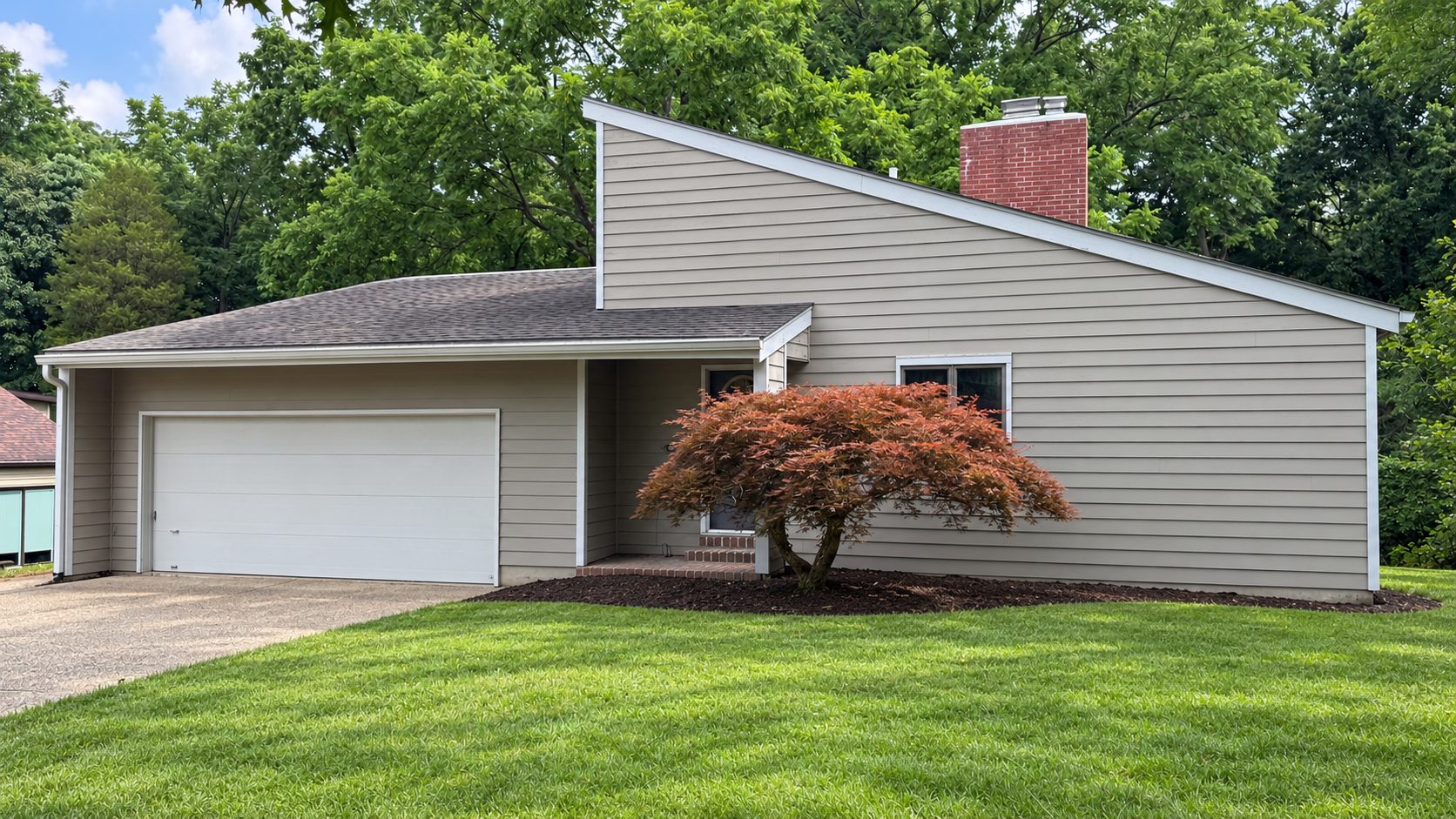
Selling a home in Bloomington, Indiana, takes more than placing a sign in the yard. Good results start with a clear plan. You need to know what to fix, how to set the price, and how to reach the right buyers.
Each home and sale is different. A house near Indiana University may attract a different buyer than a home near Lake Monroe. A downtown condo may need a different plan than a rural home in Monroe County.
This guide explains each key step. It will help you avoid common errors and prepare for a smoother sale.
The plan should fit your home. It should also fit your move. That is the goal.
1. Start With Your Goals and Timeline
Before you make repairs, decide what you need from the sale. Your goals will shape the plan.
Ask yourself these questions:
- When do you want to move?
- Do you need to sell before buying another home?
- Is your next home in Bloomington or in another city?
- Do you want the highest possible price?
- Do you need a fast sale with fewer repairs?
- Are you willing to move out before the sale?
There is no one right answer. Some sellers have time to paint, repair, and stage. Others need to sell as soon as they can. A good Bloomington real estate agent should build the plan around your needs.
Do not spend money on updates until you know how they may affect the sale. A costly project may not raise the sale price enough to pay for itself.
2. Learn What Your Bloomington Home May Be Worth
Online home values can give you a rough range. They cannot see the condition, layout, view, updates, or lot. They may also miss features that matter to local buyers.
A useful home value review should compare your property with recent local sales. The best comparable homes often have a similar:
- Location
- Size
- Age
- Style
- Lot
- Condition
- Number of bedrooms and baths
- Garage, basement, or outdoor space
Location can cause large price changes in Bloomington. Homes near Indiana University, downtown, Bryan Park, College Mall, Lake Monroe, or major roads may draw different buyer groups. School districts, walkability, traffic, and access to work can also affect demand.
Active listings matter too, but they show the asking price, not the final value. Pending and closed sales often give better clues about what buyers will pay.
3. Decide What to Repair Before Selling
Start with items that may worry a buyer or delay a loan. These tend to matter more than trendy updates.
Look for:
- Active roof or plumbing leaks
- Water damage
- Unsafe wiring
- Broken heating or cooling systems
- Foundation or drainage concerns
- Rot or damaged siding
- Loose steps or handrails
- Broken windows or doors
- Peeling paint
- Signs of mold or pests
Small repairs can also improve the way a home feels. Fix dripping faucets, loose handles, damaged trim, and doors that do not close well. Replace burned-out bulbs. Clean vents and light covers.
Be careful with large updates. A full kitchen or bath remodel can cost a lot and take months. The next buyer may not share your taste. In many cases, fresh paint, good cleaning, and minor repairs give a better return.
Ask your agent which issues buyers in your price range are most likely to notice. Then rank each project by cost, time, and likely effect on the sale.
4. Consider a Pre-Listing Inspection
A home inspection before listing may help you find problems early. It can reduce surprises after you accept an offer.
A pre-listing inspection may be useful when:
- The home is older
- You have not lived in the home for long
- You know there may be roof, crawlspace, or water issues
- The property has been a rental
- You want time to get repair bids
It is not the right choice for every seller. Inspection findings may affect what you need to disclose. Talk with your agent before you order one.
If you do not get an inspection, you can still check the home. Walk through it as if you were a buyer. Look in the attic, crawlspace, basement, garage, and under sinks. Test doors, windows, lights, and basic systems.
5. Clean, Declutter, and Stage the Home
Buyers need to picture their own life in the home. Too much furniture or clutter can make rooms feel small.
Start with these tasks:
- Remove items from kitchen and bath counters
- Pack personal photos and large collections
- Clear crowded closets and storage rooms
- Remove extra furniture
- Wash windows
- Clean floors, walls, and trim
- Remove pet hair and odors
- Clean the garage, porch, and patio
- Trim shrubs and clean the yard
You do not need to remove every personal item. The goal is to make each room feel open, clean, and easy to understand.
Use each room for a clear purpose. A spare room that serves as an office, gym, and storage room may confuse buyers. Pick one main use and stage it that way.
Light also matters. Open blinds before photos and showings. Use bulbs with a similar color in each room. Replace dark or damaged shades when needed.
6. Improve the First Impression
Buyers often form an opinion before they enter the home. The outside should look clean and cared for.
Focus on simple work:
- Mow and edge the lawn
- Pull weeds
- Trim plants away from walks and windows
- Remove dead plants
- Sweep the porch
- Wash the front door
- Clean gutters when needed
- Add a clean door mat
- Make sure the address is easy to see
Do not hide problems with quick cosmetic work. Fix the cause of damage first. Paint will not solve an active leak or ongoing rot.
Season can affect the plan. In fall, keep leaves off walks and decks. In winter, clear snow and ice. In spring, clean pollen from outdoor areas. In summer, keep grass and plants from looking dry.
7. Set the Right Listing Price
The first days on the market are important. New listings often get the most attention. A price that is too high can waste that period.
Some sellers want to start high and lower the price later. That plan can fail. Buyers may skip the home because it falls outside their search range. If the price drops later, they may think something is wrong.
A strong price should reflect:
- Recent comparable sales
- Current competing homes
- Condition and updates
- Location and lot
- Market demand
- Expected buyer response
Price brackets also matter. Many buyers search in set ranges. A small price change may place your home in front of more buyers.
The highest suggested list price is not always the best plan. Ask each agent to explain the sales that support the price. A good pricing plan should be based on facts, not on a promise made to win the listing.
8. Use Professional Real Estate Photos
Most buyers first see a home online. Poor photos can cause them to skip it.
Professional real estate photos should show the space in a clear and honest way. They should not make rooms look false or hide major flaws.
Before the photographer arrives:
- Turn on all lights
- Open curtains and blinds
- Clear counters and tables
- Hide trash cans and cleaning items
- Put toilet lids down
- Remove pet bowls, beds, and toys
- Move cars away from the front of the home
- Clean mirrors and glass
- Remove yard tools and hoses
Some homes may also benefit from drone photos, a floor plan, or a short video. These tools should help buyers understand the home. They should not replace good basic photos.
9. Market the Home to the Right Buyers
Good marketing is more than putting the home in the MLS. The listing should explain why the property is useful and who may value its features.
A full marketing plan may include:
- A clear MLS description
- Professional photos
- Accurate room and property details
- A floor plan
- Social media posts
- Email marketing
- Agent-to-agent outreach
- Google Business Profile posts
- Open houses when useful
- Direct contact with likely buyers and local agents
The listing text should focus on real benefits. Instead of saying a home is “nice,” explain what makes it useful. Mention flexible rooms, storage, updates, outdoor areas, parking, and access to local places.
Do not fill the description with vague claims. Buyers want facts. They also want to know how the home may fit their daily life.
10. Prepare for Showings
The easier the home is to show, the more chances you may have to receive an offer. Try to allow showings at different times when you can.
Before each showing:
- Make beds
- Put dishes away
- Wipe counters
- Turn on lights
- Open blinds
- Set a comfortable temperature
- Remove pets when possible
- Secure medicine, papers, keys, and small items of value
- Leave the home before the buyer arrives
Strong scents can distract buyers. Avoid heavy air fresheners, candles, or sprays. A clean home with fresh air is better.
Your agent should gather feedback when possible. One comment may be a matter of taste. The same comment from several buyers may point to a price, condition, or staging issue.
11. Compare More Than the Offer Price
The highest offer is not always the best offer. Terms can affect your risk, cost, and closing date.
Review these parts of each offer:
- Purchase price
- Type of financing
- Down payment
- Earnest money
- Inspection terms
- Appraisal terms
- Seller-paid costs
- Requested personal property
- Closing date
- Possession date
- Sale-of-home or other conditions
A cash offer may still include an inspection or appraisal. A financed offer may be very strong if the buyer is well qualified. Ask your agent to explain the risks and likely net proceeds from each offer.
Do not focus only on the number at the top. An offer with a high price and large seller costs may give you less money than a lower, cleaner offer.
12. Understand Inspections, Appraisals, and Repairs
After you accept an offer, the buyer may complete inspections. The buyer may ask for repairs, credits, or a price change.
You may agree, refuse, or offer another solution. The right response depends on the contract, the issue, and your goals.
If the buyer uses a loan, the lender may order an appraisal. The appraiser gives the lender an opinion of value. If the appraisal is below the purchase price, the parties may need to review their options under the contract.
Keep the home in good condition until closing. Do not remove items that are meant to stay. Tell your agent at once if damage or a system failure occurs.
13. Plan for Closing Costs and Your Net Proceeds
The sale price is not the amount you receive at closing. Your costs may include:
- Mortgage and lien payoffs
- Real estate fees
- Seller-paid buyer costs
- Repairs or credits
- Title and closing charges
- Property tax adjustments
- Association fees or transfer charges
- Moving costs
Ask for an estimated seller net sheet before you list. Update it when you receive an offer. This will help you compare offers and plan your next move.
14. Get Ready for the Final Walk-Through and Closing
Before closing, complete all work required by the contract. Keep receipts and invoices. Remove your personal items unless the buyer agreed they could stay.
The buyer may complete a final walk-through shortly before closing. The home should be in the agreed condition. It should also be clean and free of trash.
Plan for keys, garage remotes, alarm details, and needed home records. Follow the closing company’s instructions for signing and funds. Be alert for wire fraud. Confirm any wiring steps by calling a trusted number you already have.
Common Mistakes Bloomington Home Sellers Make
Avoid these common problems:
- Pricing from an online estimate alone
- Choosing an agent only because they suggest the highest price
- Making costly updates without a plan
- Using dark or poor listing photos
- Making showings hard to schedule
- Hiding known defects
- Ignoring repeated buyer feedback
- Looking only at offer price
- Waiting too long to adjust a weak plan
You cannot control every part of the market. You can control the price, condition, access, and marketing of your home.
Frequently Asked Questions About Selling a Home in Bloomington
When is the best time to sell a home in Bloomington, Indiana?
Spring and summer often bring more buyers, but homes sell all year. Your timing should also depend on your move, the home’s condition, and the number of competing listings.
Should I renovate my home before selling it?
Not always. Fix safety, water, and system issues first. Cleaning, paint, and small repairs often provide more value than a full remodel.
How long will it take to sell my Bloomington home?
The time depends on price, condition, location, demand, and buyer financing. Ask your agent to review recent sales from your part of Bloomington and your price range.
Should I sell my home before buying another one?
It depends on your finances and risk level. Selling first may make your next offer stronger. Buying first may make your move easier, but it can create added cost and pressure.
Can I sell a Bloomington home that needs repairs?
Yes. The price and marketing should match its condition. You may repair the home, offer a credit, or sell it as-is. Each choice affects your likely buyer pool and sale price.
Do I need professional photos to sell my home?
Professional photos are one of the most useful parts of online marketing. Clear photos can help the listing earn more attention and showings.
Get a Bloomington Home-Selling Plan
Selling a home in Bloomington, Indiana, is easier when each step supports the next. The right preparation helps the photos. Strong photos help the marketing. Good marketing helps create showings and offers. Clear advice helps you compare those offers and move toward closing.
I help Bloomington and Monroe County homeowners prepare, price, and market residential, investment, and commercial property. My background in real estate investing, construction, renovation, and design helps me spot concerns, find useful improvements, and build a plan around each property.
If you are thinking about selling, contact Chris Clark, REALTOR® with Century 21 Scheetz, for a personal home value review and selling plan.
Chris Clark, REALTOR®
Century 21 Scheetz
Phone: 812-322-1871
Email: chris@chrisclarkrealtor.com


